
Dinnerware Guide
CulinaNest · Product Guide
Dinnerware Guide
A considered table begins with pieces that suit the way you actually eat. Use this guide to think through plates, bowls, proportions, place settings and everyday versatility before choosing your set.
01 · The starting point
Choose for the meals you serve most often.
Instead of beginning with a piece count, begin with your routine. Think about breakfast bowls, weeknight dinners, shared dishes and the way you host. A focused selection is often more useful than a large set filled with pieces that rarely leave the cupboard.
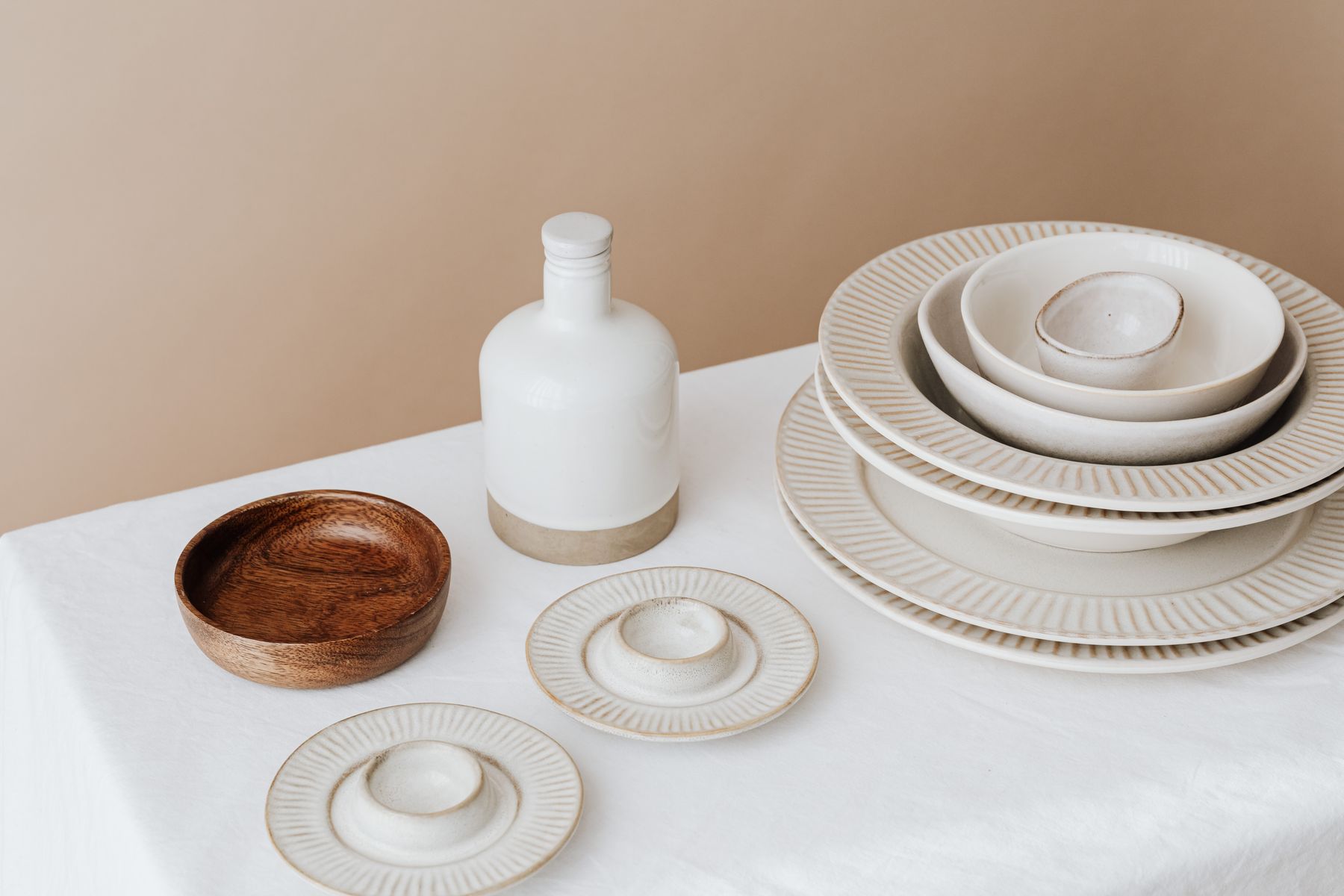
Start with the pieces you reach for daily.
Dinner plates and versatile bowls form a practical base. Add smaller plates only when they genuinely fit your breakfast, lunch or serving habits.
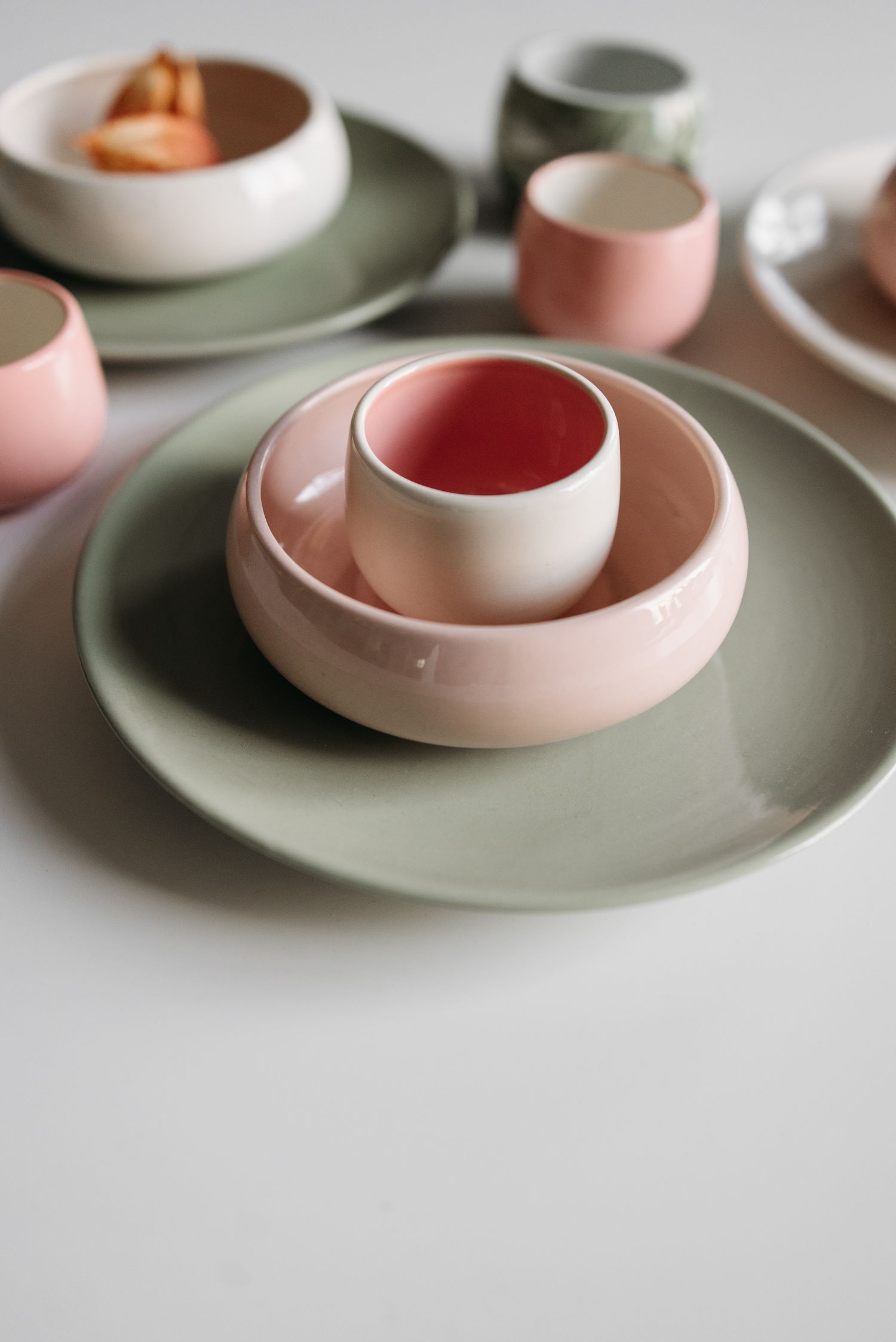
Build depth with scale, not clutter.
Layering works best when plate and bowl sizes feel clearly different. A simple hierarchy keeps the setting composed and makes each piece easier to use.
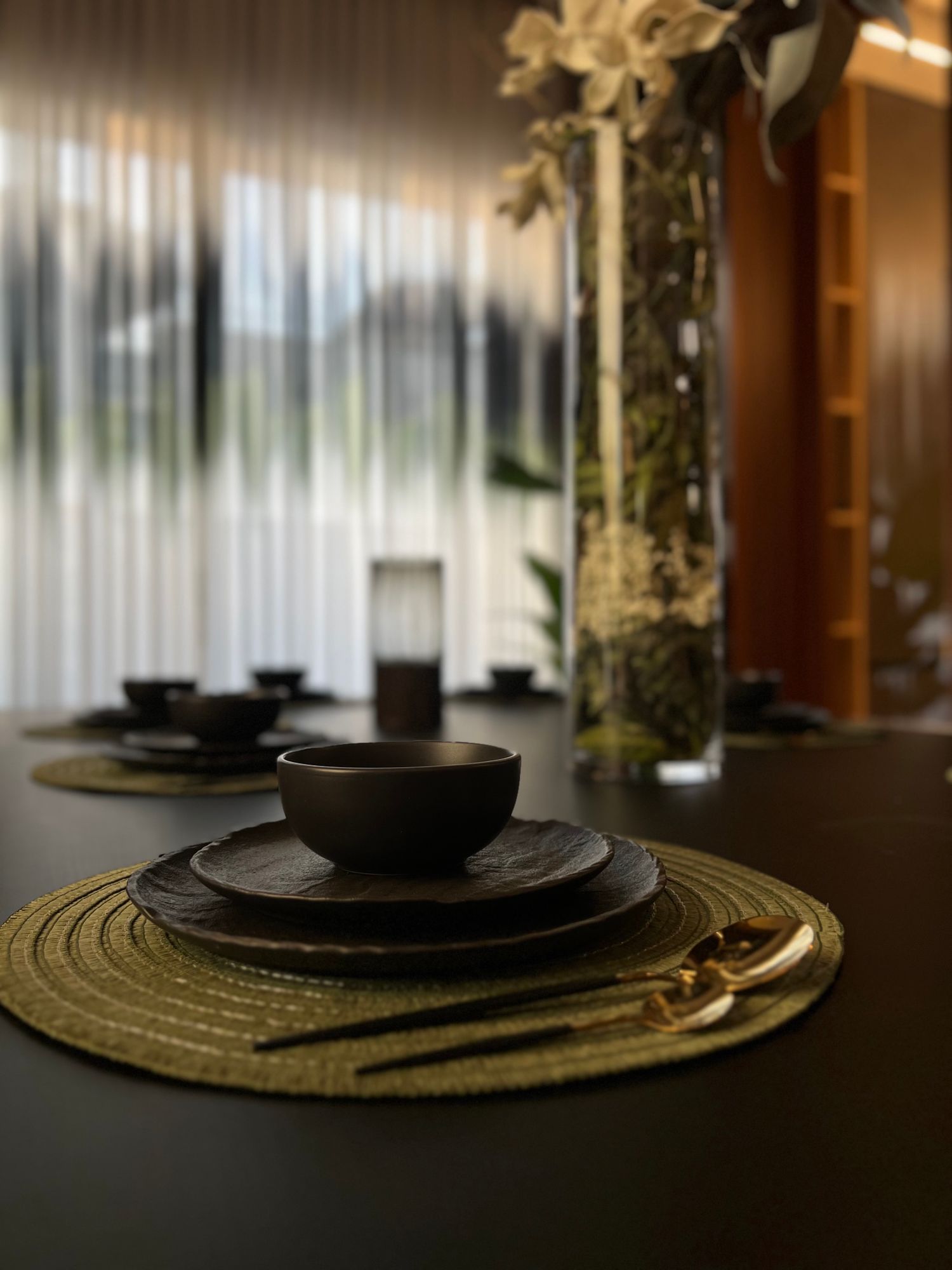
Let tone change the mood of the table.
Dark dinnerware creates a more defined presentation, while lighter pieces feel softer and more open. Consider how the color works with your table, linens and serving pieces.

Consider what surrounds the plate.
Glassware, flatware, napkins and serving pieces influence the final composition. Dinnerware should work naturally with these elements rather than compete with them.
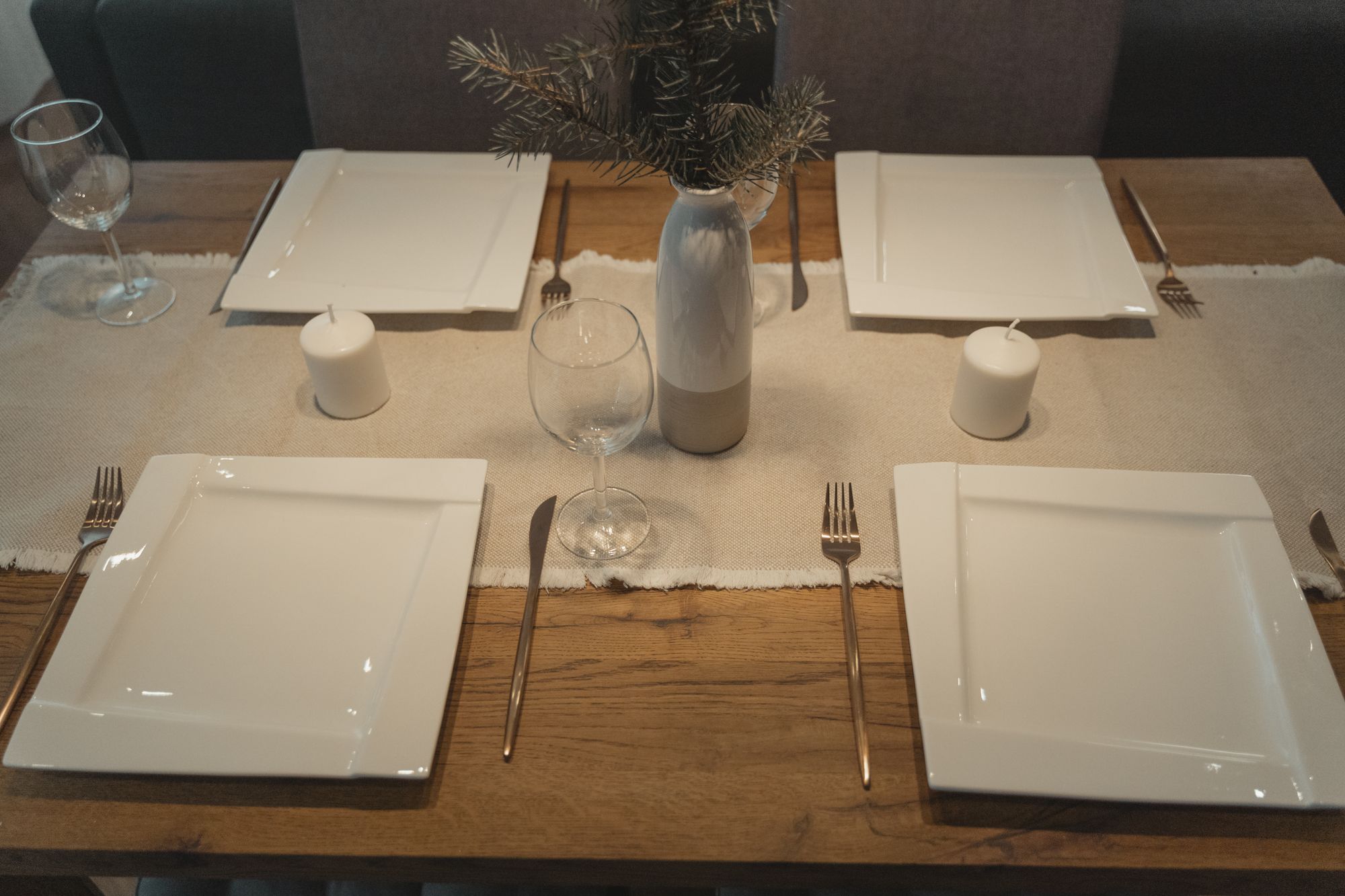
Buy enough for the table you actually set.
Count the number of people you regularly serve, then decide whether a few extra settings would be useful for guests or replacement pieces. More is not automatically better.
02 · Buying guide
Five details worth checking before you choose.
Piece mix
Compare the included pieces with your real routine. A set built around plates and bowls may be more useful for everyday meals than one with many specialized pieces.
Plate and bowl proportions
Check diameter, depth and profile. Wide rims reduce usable surface area, while deeper bowls can be helpful for soups, grains and meals with sauces.
Storage space
Consider shelf height, cabinet depth and how comfortably pieces stack. A beautiful set should still be easy to store and reach every day.
Care requirements
Review the specific product care information before purchase, including any stated dishwasher, microwave or cleaning instructions. Follow the details supplied for the exact item.
How the pieces work together
A cohesive table does not require every piece to match perfectly. Repeated proportions, restrained colors and consistent shapes can create a more natural, collected look.
Everyday versus entertaining
Decide whether one versatile set can cover both needs or whether serving pieces should be added separately. Keep the core dinnerware useful first.
03 · Quick checklist
Before adding a set to your kitchen.
Count your regular place settings
Start with the number of people you serve most often.
Review the included pieces
Make sure the set composition matches your actual meals.
Check dimensions
Compare plate and bowl sizes with cupboards and appliances.
Consider stacking
Look for proportions that store comfortably in your kitchen.
Read care information
Follow the stated care instructions for the specific product.
Picture the whole table
Think about flatware, glassware, linens and serving pieces too.